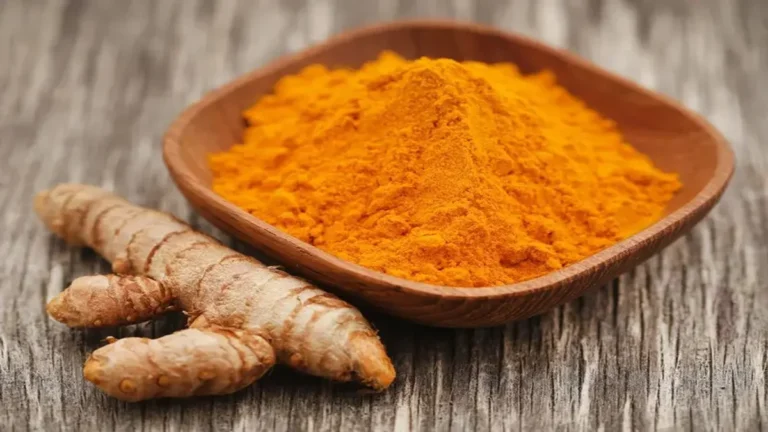


Colorectal cancer remains one of the great challenges in oncology—a disease with a continually rising incidence. Faced with conventional treatments that often carry high toxicity, science has turned its attention to natural compounds with great potential. Turmeric (Curcuma longa), known for centuries as a simple spice, has emerged as a promising candidate due to its anti-inflammatory properties and its ability to interfere with the molecular mechanisms that drive tumor growth.
What is fascinating from a scientific perspective is the paradox of curcumin: despite its potent therapeutic effects, less than 2% of its components are bioabsorbable by the body due to its low water solubility and rapid systemic elimination. Far from diminishing its value, this challenge has spurred technological innovations [1].
How much turmeric can be taken per day?
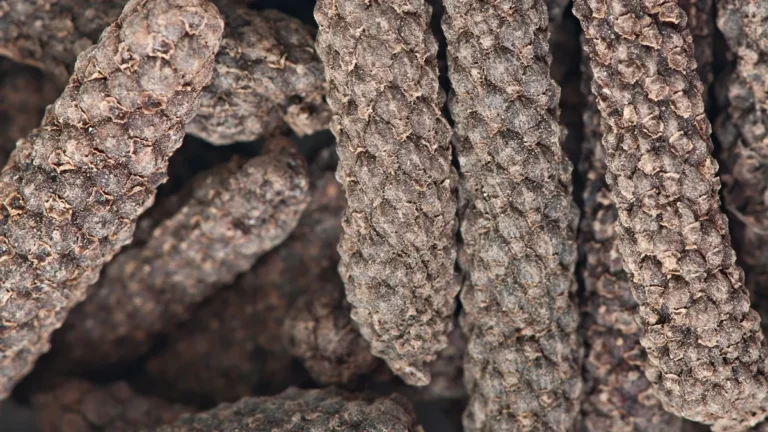
The dosage of turmeric is not one-size-fits-all, as it depends on the intended goal. Its major challenge lies in its low bioavailability: the body absorbs very little unless combined with enhancers such as black pepper. Studies have established a safe dosage of 3 mg per kg of body weight, which for a 70 kg adult amounts to approximately 210 mg/day as a conservative reference [2].
According to the article Therapeutic Roles of Curcumin, the dosages and forms of turmeric administration for different types of cancer studied in clinical trials are as follows [3]:
- Colorectal Cancer
- Low and medium doses: 0.036–0.18 g/day for 4 months, or 0.45–3.6 g/day for 7 days up to 4 months.
- High doses: 2 and 4 g/day for 1 month, and 1.08 g/day for 10 to 30 days.
- Combination: 1.44 g/day for 6 months.
- Pancreatic Cancer
- Standard dose: 8 g/day, alone or in combination.
- Variations: 1.5 g/day for 6 weeks, or 8 g/day for 4 weeks (both in combination).
- Breast Cancer
- 6 g/day for 7 days, repeating the cycle every 3 weeks (in combination).
- Prostate Cancer
- 0.1 g/day for 6 months (in combination).
- Multiple Myeloma
- 4 g/day for 6 months, or dose escalation from 2 to 12 g/day for 12 weeks (both in combination).
- Lung Cancer
- 1.5 g/day for 30 days (with C. longa turmeric).
Physics plays an important role in understanding the mechanism of action in the body. Through computational physics and molecular simulations, a new perspective emerges, allowing us to glimpse—from the finest atomic interactions—how these compounds could serve as an effective adjuvant with lower toxicity in the fight against cancer [4].
It is important to explain how turmeric works: its main active component is curcumin. It acts through a mechanism involving interaction with cytokines that promote tumor development. Unlike many conventional drugs that target a single pathway, curcumin modulates various cellular processes to inhibit tumor growth and spread. These effects have been demonstrated in cellular models. However, curcumin is not a substitute for conventional chemotherapy and should always be considered as a possible adjuvant under medical supervision [5].
Referencias
- El-Saadony MT, et al. Curcumin, an active component of turmeric: biological activities, nutritional aspects, immunological, bioavailability, and human health benefits – a comprehensive review. Front Immunol. 2025. doi: [doi]10.3389/fimmu.2025.1603018[/doi]. ↩
- Hewlings SJ, Kalman DS. Curcumin: A Review of Its Effects on Human Health. Foods. 2017 Oct 22;6(10):92. doi: [doi]10.3390/foods6100092[/doi]. PMID: 29065496; PMCID: PMC5664031. ↩
- Gupta SC, Patchva S, Aggarwal BB. Therapeutic Roles of Curcumin: Lessons Learned from Clinical Trials. AAPS J. 2013;15(1):195-218. doi: [doi]10.1208/s12248-012-9432-8[/doi]. ↩
- Pharmacophore-Based Virtual Screening and In-Silico Explorations of Biomolecules (Curcumin Derivatives) of Curcuma longa as Potential Lead Inhibitors of ERBB and VEGFR-2 for the Treatment of Colorectal Cancer. Molecules. 2023;28(10):4044. doi: [doi]10.3390/molecules28104044[/doi]. ↩
- Ibarra Vega A. Estudio Teórico de Compuestos Naturales como Agentes Inhibidores del Receptor TGF-β Tipo 2. Tesis. 2023. Available at: Google Scholar. ↩